High GWP Refrigerant Phase Out and Price Increases Unpacked
In 2016 Australia agreed to implement the Kigali amendment to the Montreal Protocol to reduce the Global Warming Potential (GWP) of HFC refrigerants that are being imported and used locally. The goal is an 85% reduction in GWP by 2036. A transition to lower GWP refrigerant gases and/or alternative refrigerants has been a constant topic.
We have previously touched on the GWP quota system in other new stories, that is, a sliding scale of reduction every 2 years until 2036.
Referencing government publication The Cold Hard Facts 4 “HFC-404A usage remains stubbornly high at 852 tonnes in 2022. Despite being the highest GWP commonly used refrigerant, HFC-404A is STILL being routinely deployed in new installations with no signs of consumption waning without regulatory intervention“
According to published data the mix of HFC’s purchased in 2023 exceeded our import quota for 2024, so we have reached a tipping point and need to accelerate transition to alternatives – Whilst the use of alternatives is increasing, it is not transitioning as anticipated. A key barrier thus far has been the higher price of the alternatives and the costs to retrofit. We have recently seen a series of price increases to HFC refrigerants, in particular HFC-404A to make it more expensive than some of the comparative alternatives and force change.
The local industry – being suppliers and contractors alike, seem to finally be paying attention to this topic, the situation is currently in a state of flux. The old faithful Go-To refrigerant gas R404A is stubbornly hanging on for dear life. R404A has been a reliable mainstay for many years but has a drastically high GWP number, being 3943. Top tier contractors have been aware for many years of the pending changes and kept an eye on overseas trends. Unfortunately lack of local awareness (and the low pricing of R404A when compared to lower GWP alternatives) has seen this refrigerant still being specified and quoted on new installations.
It seems the only way that change is going to be “forced” is through simple economics, being that R404A will be priced thru the roof and force the market to shift to the lower priced, lower GWP transitional refrigerants. The transitional gases will bring their own issues for another day, such as PFAS concerns for example.
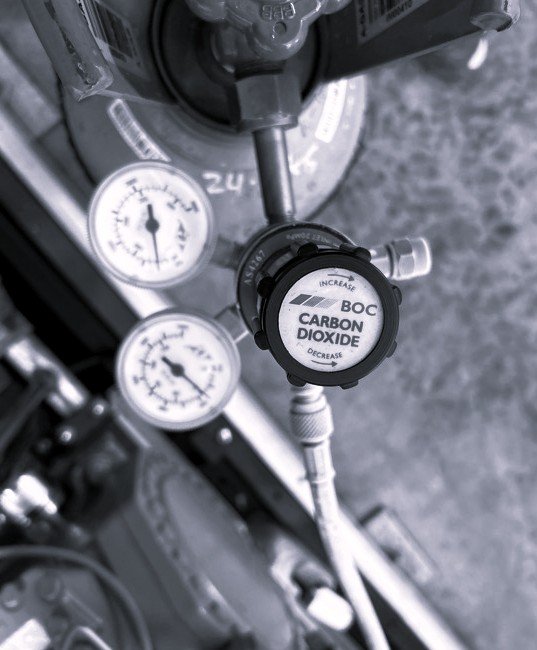
MNK Technical Services already have experience in alternative “natural” refrigerants such as R290 and R744 Carbon Dioxide (CO2), we are keeping well informed on the latest pricing of the conventional gases and also the latest technical feedback on how the alternative gases are performing to best advise our clients.
Refer to a couple of previous news stories for further context on this topic – here and here